
Artificial Intelligence has evolved rapidly over the past decade, but a new breakthrough is redefining its role entirely. Agentic AI represents a fundamental shift from reactive machines to self-directed digital agents capable of making decisions, taking actions, and pursuing goals with minimal human input. This technology is not just an upgrade—it is a transformation of how intelligence is applied in the real world.
What makes Agentic AI so powerful is its ability to reason, plan, adapt, and act independently, turning AI from a support tool into an active participant in complex systems. From business operations to scientific discovery, Agentic AI is changing everything.
What Is Agentic AI?
Agentic AI is a form of artificial intelligence that possesses agency, meaning it can autonomously decide what to do next in order to achieve a goal. Unlike traditional AI models that wait for user prompts, Agentic AI systems initiate actions, manage tasks, and adapt strategies based on changing conditions.
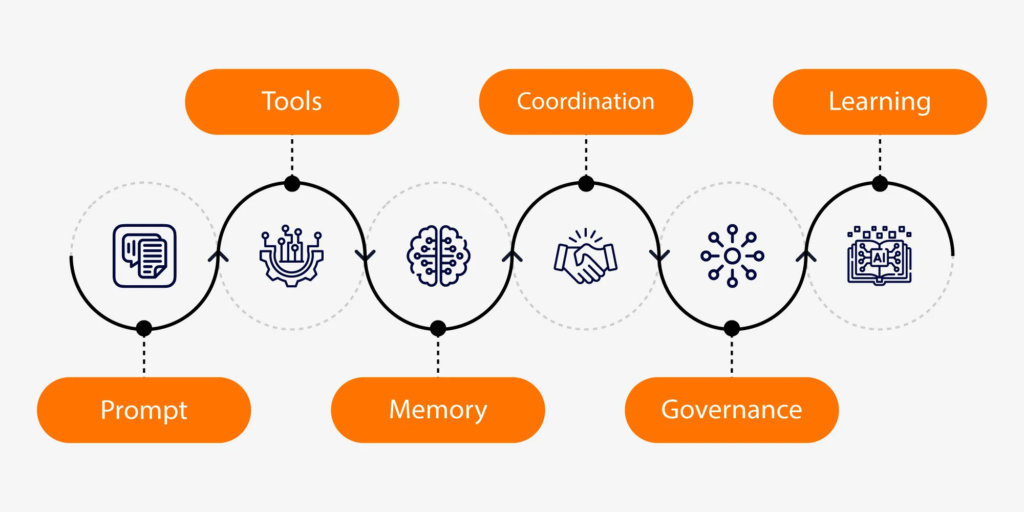
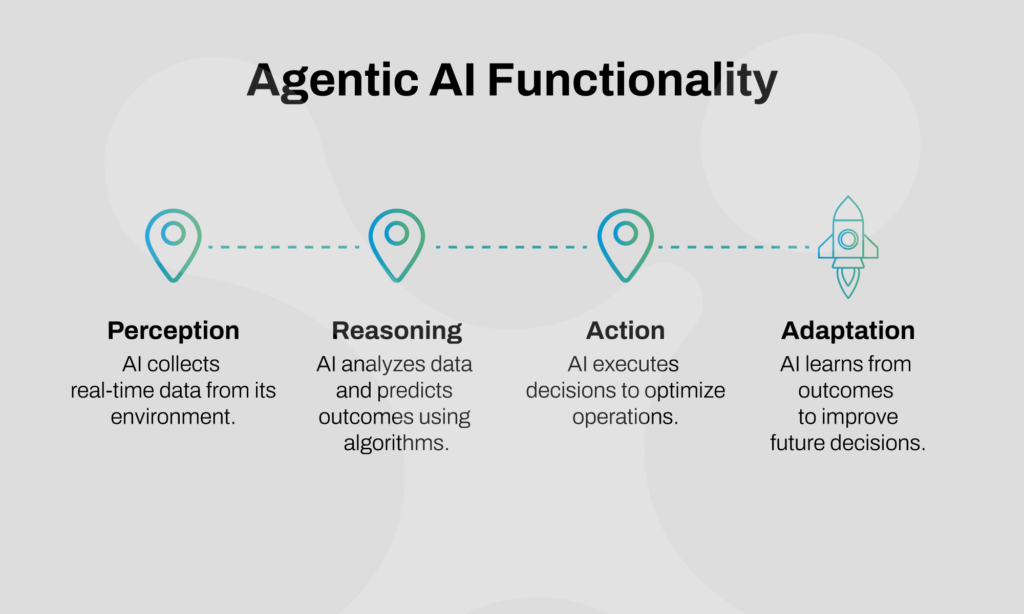
These systems combine multiple capabilities—reasoning, memory, planning, and execution—allowing them to operate continuously and intelligently across environments.
How Agentic AI Works
• Goal-Oriented Intelligence
At its core, Agentic AI is goal-driven rather than command-driven. A user or system defines an objective, and the AI independently determines how to achieve it by breaking the goal into actionable steps. This approach allows Agentic AI to manage long-term, multi-step tasks efficiently without requiring repeated instructions, making it far more autonomous than traditional AI systems.
• Planning and Decision Frameworks
Agentic AI relies on advanced planning and decision-making frameworks to evaluate multiple options, predict outcomes, and choose the most effective course of action. These systems continuously reassess their decisions based on new data and changing conditions, enabling adaptive and flexible behavior in dynamic environments.
• Memory and Context Awareness
Unlike short-lived AI interactions, Agentic AI maintains persistent memory and deep contextual awareness. This allows it to learn from previous actions, understand evolving situations, and improve performance over time. As a result, responses and decisions become more accurate, relevant, and personalized with continued use.
• Autonomous Execution
Once a plan is established, Agentic AI executes tasks independently by interacting with tools, software, and digital systems. It monitors progress in real time, adjusts actions when necessary, and ensures objectives are completed efficiently, all while requiring minimal human supervision.
Real-World Applications of Agentic AI
◉ Agentic AI in Business Operations
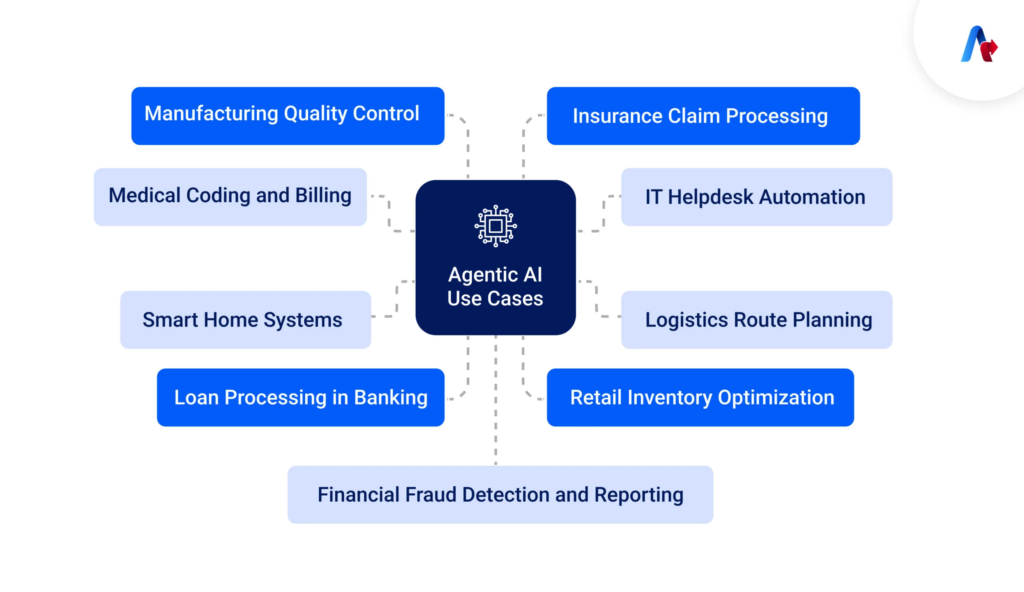
In enterprises, Agentic AI systems manage workflows, optimize resources, and improve operational efficiency. These intelligent agents coordinate tasks across departments, identify operational bottlenecks, and autonomously implement improvements, helping organizations scale faster with minimal human supervision.
◉ Agentic AI in Software Development
Agentic AI is transforming software engineering by writing, testing, debugging, and deploying code independently. By managing the complete development lifecycle, these systems accelerate development cycles, reduce errors, and lower human workload, allowing teams to focus on innovation and architecture.
◉ Agentic AI in Research and Discovery
In scientific research, Agentic AI analyzes massive datasets, generates hypotheses, conducts simulations, and refines conclusions without continuous oversight. This capability dramatically speeds up innovation, enabling faster breakthroughs in medicine, climate science, and advanced engineering.
◉ Agentic AI in Personal and Digital Assistants
Future digital assistants powered by Agentic AI will anticipate user needs, manage schedules, and make proactive decisions. Rather than reacting to commands, these assistants act as intelligent digital partners, continuously learning and adapting to user behavior.
Challenges and Ethical Considerations
With increased autonomy comes responsibility. Agentic AI raises critical concerns around transparency, control, safety, and accountability. Ensuring that these systems align with human values and regulations is essential.
Responsible deployment requires ethical frameworks, governance models, and human oversight to maintain trust and safety.
Agentic AI and the Future of Work
Agentic AI will not eliminate the need for humans—it will redefine human roles. As AI handles execution and complexity, humans will focus on strategy, creativity, judgment, and ethical decision-making.
This collaboration will shape a more productive and intelligent workforce.
The Future of Agentic AI Technology
As Agentic AI evolves, systems will become more transparent, collaborative, and aligned with human goals. Networks of intelligent agents will work together to solve global challenges, from climate modeling to economic optimization.
Agentic AI is not just a technological advancement—it is the foundation of a new era of intelligent systems.
Conclusion: A Technology That Redefines Intelligence
Agentic AI is changing everything by transforming artificial intelligence into self-acting, goal-oriented, and adaptive systems. This breakthrough marks a turning point where machines no longer simply respond—they act with purpose.
As adoption grows, Agentic AI will redefine how humans work, innovate, and interact with technology, shaping a future driven by intelligent collaboration between humans and machines.
Disclaimer : This article is for informational purposes only. The development and use of Agentic AI should follow ethical guidelines, regulatory standards, and responsible AI practices.
#AgenticAI #AutonomousAI #FutureOfAI #ArtificialIntelligence #AIInnovation #SelfActingAI #IntelligentSystems #AIAutomation #NextGenAI #Carrerbook #Anslation #TechTrends #DigitalTransformation #AI2026