
Technology is no longer something we use only when we sit in front of a computer.
It has quietly become part of almost every part of daily life.
Moreover, the way we shop, work, manage money, stay entertained, travel, and communicate has changed due to digital tools.
This Lifestyle shift affects everyday routines across society.
In 2026, the idea of a digital Lifestyle is less about owning the newest gadget.
It focuses on using technology in ways that actually make life easier.
A useful app can save time, and an AI assistant can handle repetitive work.
Additionally, a connected device can make a home more convenient.
But there is another side to this lifestyle. More technology also means more notifications, accounts, passwords, screen time, and digital distractions. The goal is not to use every new technology available. It is to find the tools that genuinely fit your routine.
Here are some of the biggest digital lifestyle trends shaping everyday life in 2026.
What Is a Digital Lifestyle?
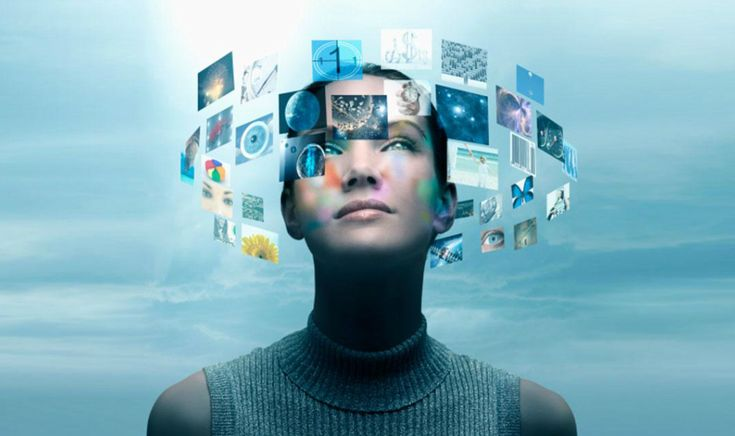
A digital lifestyle simply means using digital technology as a regular part of everyday activities.
This can include using a smartphone to manage appointments, shopping online, streaming entertainment, working remotely, paying bills digitally, using fitness apps, or relying on AI tools for everyday tasks.
The important thing is that a digital lifestyle looks different for everyone. A student may depend on note-taking and study apps, while a professional might use project-management and communication platforms. Someone else may mainly use technology for entertainment, travel, shopping, or managing a smart home.
| Digital Area | Common Everyday Use |
|---|---|
| AI tools | Writing, planning, research and productivity |
| Smartphones | Communication, payments and entertainment |
| Smart home | Lighting, security and home automation |
| Digital finance | Online banking and digital payments |
| Health technology | Fitness tracking and wellness monitoring |
| Online shopping | Product discovery and purchases |
| Streaming | Movies, music, podcasts and live content |
| Digital security | Password managers, authentication and privacy tools |
1. AI Is Becoming an Everyday Assistant
Artificial intelligence has moved beyond being something people experiment with occasionally. In 2026, AI tools are increasingly becoming part of ordinary digital routines.
People can use AI to summarize information, organize ideas, draft messages, create images, brainstorm content, learn new subjects, or plan their day. The biggest advantage is often simple: AI can reduce the amount of time spent on repetitive tasks.
For example, instead of starting a presentation from a blank page, someone can use an AI tool to create an initial structure and then add their own ideas. Similarly, a traveler can use AI to organize a rough itinerary before checking destinations, prices, and opening hours themselves.
The human part still matters. AI can make mistakes, misunderstand a request, or provide information that needs verification. The smartest approach is to treat AI as an assistant rather than automatically accepting everything it produces.
2. Smartphones Are Becoming More Useful
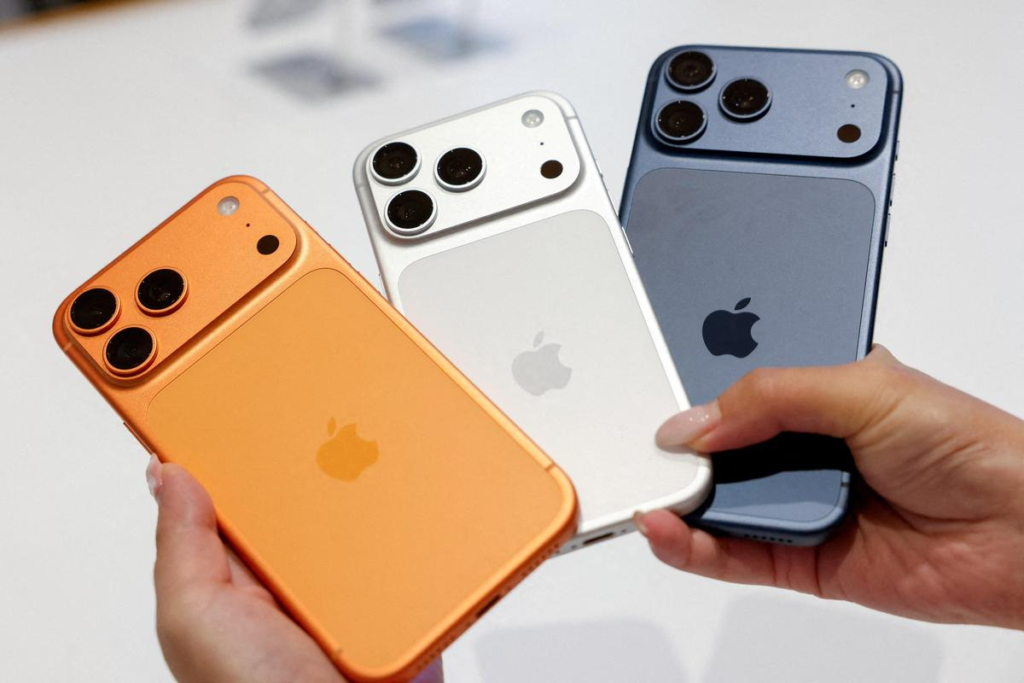
The smartphone remains one of the most important pieces of digital technology in everyday life.
It is no longer simply a device for calls and messages. A modern smartphone can act as a camera, wallet, navigation system, entertainment center, work device, learning tool, and personal organizer.
People are also becoming more selective about the apps they keep. Instead of downloading dozens of applications, many users prefer a smaller collection that genuinely saves time.
A simple smartphone setup might include:
- A calendar for appointments and reminders
- A notes app for quick ideas
- A digital wallet for payments
- Navigation for travel
- Cloud storage for important files
- Communication apps for work and personal conversations
- Security and authentication apps
The trend is moving toward useful simplicity rather than having an app for everything.
3. Smart Homes Are Becoming More Practical
Smart-home technology is becoming easier to understand and use. Connected lights, smart speakers, security cameras, thermostats, plugs, and other devices can automate small tasks around the house.
Imagine arriving home and having the lights turn on automatically, or checking a security camera remotely while you are away. These may sound like small conveniences, but they can make everyday routines smoother.
However, smart-home technology works best when it solves a real problem.
There is little value in adding a connected device simply because it is trendy. Before buying one, consider whether it will save time, improve convenience, reduce energy use, or provide useful information.
Another important consideration is privacy. Connected devices collect data, so users should understand what information a device gathers and how the manufacturer handles it.
4. Digital Payments Are Changing Everyday Shopping
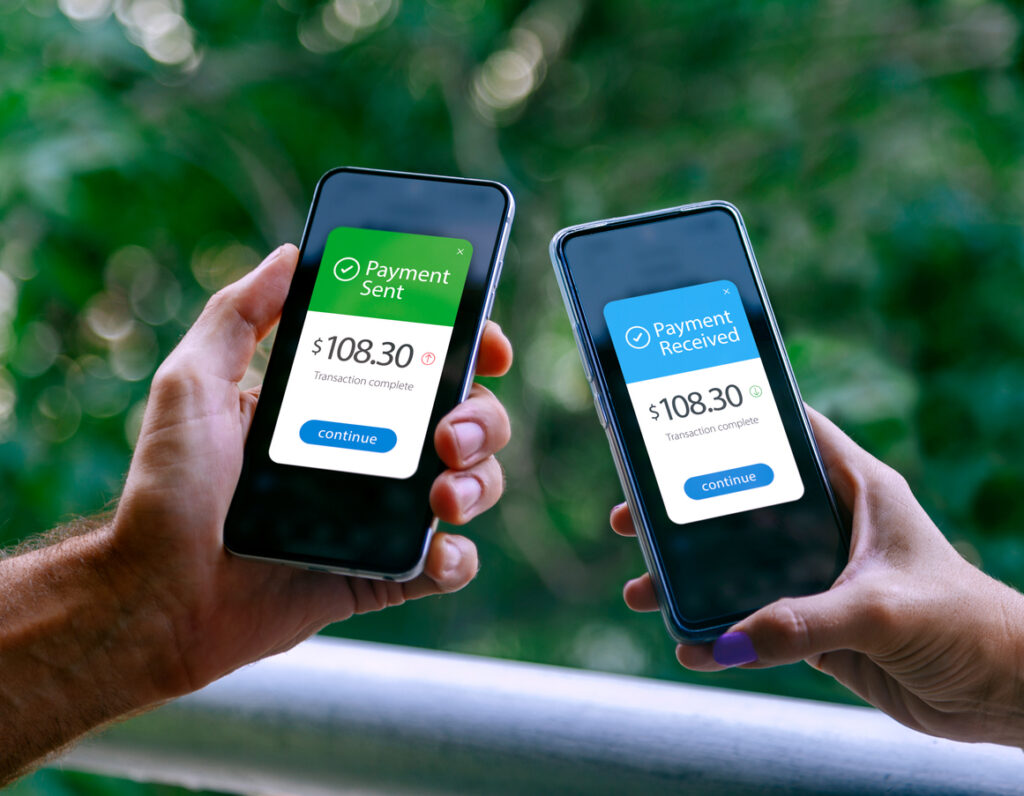
Cashless payments have become a normal part of everyday life for many people. Mobile wallets, QR-code payments, contactless cards, and banking apps allow users to pay without carrying much cash.
Digital payments are particularly convenient for small purchases, online shopping, subscriptions, travel, and bill payments.
At the same time, convenience should not mean ignoring financial security. Users should enable appropriate authentication, avoid sharing payment credentials, and be careful when clicking unfamiliar payment links.
Keeping track of digital spending is also important. When payments happen with a quick tap or scan, it can be surprisingly easy to lose track of small purchases.
5. Personalized Digital Experiences Are Growing
Digital platforms are becoming better at understanding what users might want next.
Streaming services recommend movies and music. Shopping platforms suggest products. News and social platforms personalize feeds. Fitness apps can provide recommendations based on activity patterns.
Personalization can be convenient because it reduces the amount of searching required.
But there is a trade-off. The more information a service collects, the more personalized the experience can become. Users should therefore pay attention to privacy settings and understand what data they are comfortable sharing.
A good digital lifestyle includes not only convenience but also awareness.
6. Digital Wellness Is Getting More Attention
Technology is useful, but constantly being connected can become exhausting.
Notifications, social media, work messages, emails, and endless scrolling can make it difficult to properly disconnect. As a result, digital wellness is becoming an important part of modern technology use.
Digital wellness does not necessarily mean giving up your smartphone. It can mean creating healthier boundaries around it.
Some simple habits include:
| Digital Wellness Habit | Why It Helps |
|---|---|
| Turn off unnecessary notifications | Reduces distractions |
| Create screen-free periods | Gives your mind a break |
| Review social feeds | Removes unwanted content |
| Use app limits | Encourages mindful usage |
| Avoid unnecessary multitasking | Improves focus |
| Keep devices away during sleep | Creates better bedtime boundaries |
The idea is simple: technology should support your life rather than constantly compete for your attention.
7. Remote and Hybrid Work Are Still Shaping Digital Life
Work has also become increasingly digital. Video meetings, cloud documents, project-management platforms, messaging apps, and digital collaboration tools allow teams to work across different locations.
For employees, this can provide flexibility. For businesses, it can make collaboration easier across cities and countries.
However, remote work can blur the line between professional and personal time. A laptop at home can make it tempting to answer one more email late at night.
Creating a clear routine can help. Having dedicated work hours, organizing digital files, and turning off work notifications after the day ends can make digital work more manageable.
8. Online Learning Is Becoming More Flexible

Learning no longer has to happen inside a traditional classroom.
Online courses, educational videos, digital libraries, language-learning apps, interactive platforms, and AI-powered learning tools allow people to learn at their own pace.
This is particularly useful for people who want to develop practical skills alongside school or work.
The challenge is consistency. Having access to thousands of courses does not automatically mean learning will happen. Choosing one useful skill and practicing it regularly is often more effective than constantly jumping between different courses.
9. Digital Shopping Is Becoming More Intelligent
Online shopping has changed from simply browsing product pages to using comparison tools, recommendations, reviews, price alerts, and personalized suggestions.
Consumers can research products before buying them and compare options from different sellers.
However, convenience can also encourage impulse purchases. A product appearing in a personalized recommendation does not necessarily mean it is something you need.
Before making a purchase, checking reviews, comparing prices, understanding return policies, and considering whether the product solves a genuine need can help make online shopping more thoughtful.
10. Digital Security Is No Longer Optional

As more of life moves online, protecting digital accounts becomes increasingly important.
People now have online banking accounts, shopping accounts, social profiles, work platforms, cloud storage, and personal subscriptions. One compromised password can potentially create problems across multiple services.
A few basic habits can make a meaningful difference:
- Use unique passwords for important accounts.
- Turn on two-factor authentication where available.
- Keep devices and apps updated.
- Avoid clicking suspicious links.
- Be careful with public Wi-Fi.
- Review account login activity when available.
- Back up important files.
- Check privacy settings regularly.
Security does not have to be complicated. Consistent basic habits are often more useful than trying to become a cybersecurity expert.
How to Build a Smarter Digital Lifestyle
A smarter digital lifestyle is not about owning more technology. It is about making technology work for you.
Start by looking at your daily routine. Which tasks take too much time? Which activities are unnecessarily repetitive? Where do you get distracted?
Once you identify those areas, look for simple digital solutions.
For example, a calendar can replace scattered reminders, cloud storage can organize documents, an AI assistant can help with repetitive tasks, and automation can handle small recurring actions.
At the same time, remove tools that are creating more problems than they solve.
A useful rule is:
If a digital tool saves time, improves organization, or adds genuine value, keep it. If it constantly distracts you without providing much benefit, reconsider it.
The Future of Digital Living

The digital lifestyle of 2026 is increasingly focused on convenience, personalization, automation, and connectivity. AI is becoming more accessible, smartphones continue to combine multiple functions, smart homes are becoming easier to manage, and digital services are becoming more personalized.
Yet the most important trend may be balance.
Technology is most useful when it gives people more control over their time instead of taking control of their attention. The best digital habits are therefore not necessarily the newest ones. They are the habits that make everyday life simpler, safer, and more manageable.
Whether you are a student, professional, creator, entrepreneur, or simply someone who enjoys technology, there is no single formula for a perfect digital lifestyle. Choose the tools that fit your needs, protect your information, and remember to occasionally put the screen down.
That balance is what makes a digital lifestyle genuinely smarter.
FAQs
What is a digital lifestyle?
A digital lifestyle means using digital devices, apps, online platforms, and connected technologies as part of everyday activities such as work, communication, shopping, entertainment, learning, and personal organization.
What are the biggest digital lifestyle trends in 2026?
Major trends include everyday AI, smart-home technology, digital payments, personalized online experiences, digital wellness, remote collaboration, online learning, and stronger attention to cybersecurity.
How can I make my digital lifestyle healthier?
Start by reducing unnecessary notifications, setting screen-free periods, reviewing the apps you use, and creating clear boundaries between work and personal technology use.
Is using more technology always better?
Not necessarily. The value of technology depends on how useful it is. A smaller collection of reliable tools can often be more helpful than constantly adding new apps and devices.