
Artificial Intelligence is entering a powerful new phase. While traditional AI systems respond to commands and generative AI creates content, a new breakthrough is reshaping the future—Agentic AI. This emerging form of intelligence is designed to think, plan, decide, and act independently to achieve specific goals, marking a major leap toward truly autonomous systems.
The rise of Agentic AI represents a shift from passive tools to self-acting AI systems capable of managing complex tasks without constant human supervision. From enterprise automation to scientific research and digital assistants, Agentic AI is redefining what machines can do and how humans collaborate with them.
What Is Agentic AI?
Agentic AI refers to artificial intelligence systems that operate with agency, meaning they can independently set goals, make decisions, execute actions, and adapt based on feedback. Unlike conventional AI models that require step-by-step instructions, Agentic AI systems function as intelligent agents capable of navigating dynamic environments.
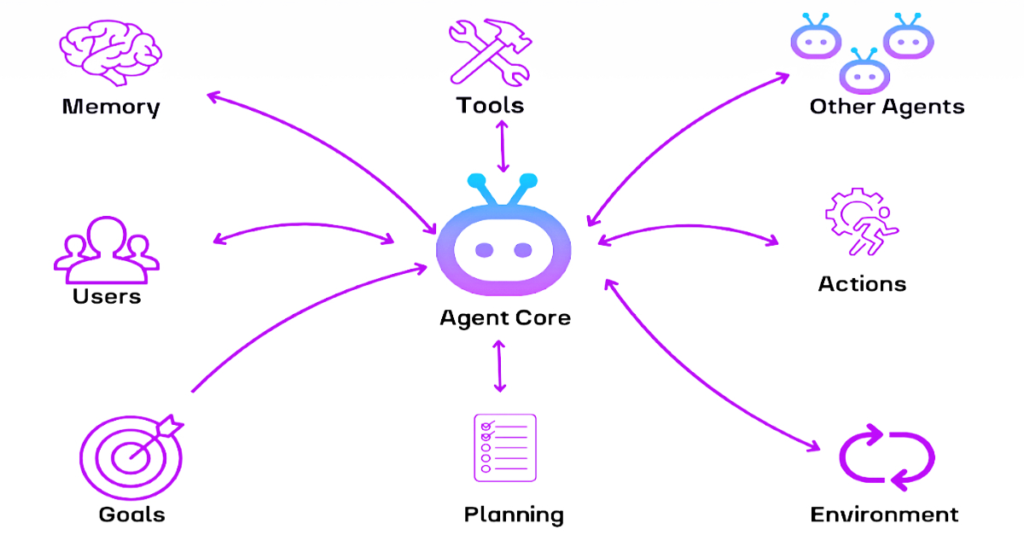
These systems combine reasoning, memory, planning, and execution, enabling them to handle long-term objectives rather than isolated tasks.
How Agentic AI Is Different from Traditional AI
Traditional AI systems are largely reactive. They wait for user input, process a request, and generate a response. Agentic AI, however, is proactive and goal-driven.
Key differences include:
- Ability to plan multiple steps toward a goal
- Autonomous decision-making without constant prompts
- Continuous learning from outcomes and feedback
- Independent task execution across systems
This breakthrough allows AI to function more like a digital collaborator than a simple tool.
Core Components of Agentic AI Systems
Autonomous Decision-Making
At the heart of Agentic AI is independent decision-making capability. These systems evaluate multiple options, predict outcomes, and choose actions based on predefined objectives and real-time data.
Planning and Goal Management
Agentic AI systems can break complex goals into smaller actionable steps, manage priorities, and adjust plans when conditions change. This makes them suitable for long-term, multi-stage tasks.
Memory and Context Awareness
Unlike short-term AI interactions, Agentic AI maintains contextual memory, allowing it to remember past actions, user preferences, and environmental changes to improve future decisions.
Execution and Adaptation
Once a plan is created, Agentic AI executes tasks across tools, platforms, and workflows, continuously monitoring results and adapting strategies for better outcomes.
Real-World Applications of Agentic AI
Agentic AI in Business and Enterprise Automation
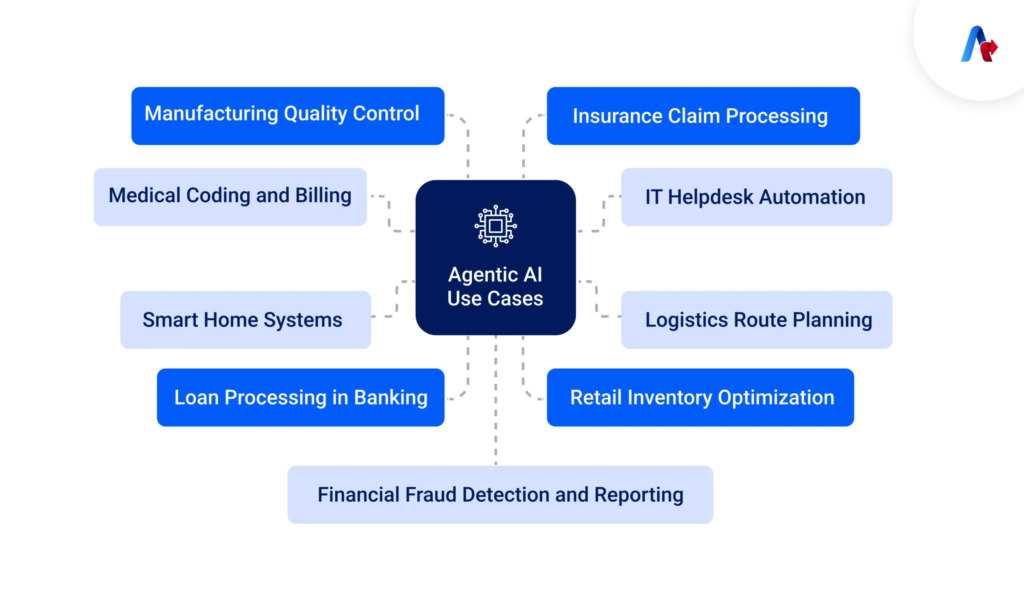
Businesses are rapidly adopting Agentic AI to automate complex workflows, manage operations, and optimize decision-making. These systems can coordinate tasks across departments, analyze performance metrics, and initiate improvements autonomously.
This leads to higher efficiency, reduced costs, and scalable growth.
Agentic AI in Software Development
In software engineering, Agentic AI can design, test, debug, and deploy code independently. It identifies errors, proposes fixes, and improves system performance without human intervention, accelerating development cycles.
Agentic AI in Research and Innovation
Agentic AI is transforming scientific research by analyzing vast datasets, generating hypotheses, running simulations, and refining conclusions. This accelerates breakthroughs in medicine, climate science, and engineering.
Agentic AI in Personal Assistants and Smart Systems
Future digital assistants powered by Agentic AI will not just respond to commands—they will anticipate needs, schedule tasks, manage goals, and make decisions proactively, acting as intelligent personal managers.
Benefits of Agentic AI Breakthrough
The rise of Agentic AI brings significant advantages:
- True automation of complex, multi-step processes
- Faster decision-making with reduced human dependency
- Higher productivity and operational efficiency
- Continuous self-improvement through learning
- Enhanced scalability across industries
These benefits position Agentic AI as a cornerstone of next-generation intelligent systems.
Challenges and Ethical Considerations
Despite its promise, Agentic AI introduces new challenges. Autonomy raises concerns about control, transparency, accountability, and safety. Without proper oversight, self-acting systems could make decisions that conflict with human values or regulations.
Ensuring ethical AI design, robust governance frameworks, and human-in-the-loop supervision is critical to responsible deployment.
Agentic AI and the Future of Work
Rather than replacing humans, Agentic AI is expected to augment human capabilities. Professionals will shift from task execution to strategy, oversight, creativity, and ethical judgment, while AI handles complexity and scale.
This evolution will reshape roles across industries, creating demand for AI-literate and decision-focused professionals.
The Future of Self-Acting AI Systems
Looking ahead, Agentic AI will evolve into collaborative ecosystems of intelligent agents working together to solve global challenges. From autonomous enterprises to smart cities and advanced scientific discovery, these systems will operate continuously with minimal human input.
As technology advances, Agentic AI will become more trustworthy, explainable, and aligned with human goals, shaping a future where intelligence is both powerful and responsible.
Conclusion: Why Agentic AI Is a Defining Breakthrough
The Agentic AI breakthrough marks a defining moment in artificial intelligence evolution. By enabling systems to act independently, reason strategically, and adapt dynamically, Agentic AI is transforming automation into autonomy.
As organizations and societies prepare for this shift, embracing Agentic AI responsibly will be essential to unlocking its full potential and building a smarter, more efficient future.
Disclaimer : This content is for informational purposes only. The development and deployment of Agentic AI systems should follow ethical guidelines, regulatory standards, and responsible AI practices.
#AgenticAI #AutonomousAI #AIInnovation #FutureOfAI #SelfActingAI #IntelligentAgents #ArtificialIntelligence #AITrends #NextGenAI #Carrerbook#Anslation#Automation #TechInnovation #AI2026