
Artificial Intelligence is no longer an emerging concept—it is rapidly becoming the foundation of how the modern world operates. As we step into 2026, AI innovation is reaching a level where it will fundamentally change how humans live, work, and interact with technology. From intelligent automation to human-like reasoning systems, AI is moving beyond assistance toward true collaboration.
What makes 2026 unique is the convergence of advanced computing power, massive data availability, and smarter algorithms, allowing AI to solve problems at an unprecedented scale. Governments, businesses, healthcare systems, and everyday consumers are all feeling the impact. This year marks a shift where AI is not just supporting innovation—it is driving global transformation.
What Is AI Innovation in 2026?
AI innovation in 2026 refers to the next generation of intelligent systems capable of learning faster, adapting in real time, and making complex decisions with minimal human input. Unlike earlier AI models, modern systems are more transparent, ethical, and context-aware, making them suitable for real-world, high-stakes applications.
In 2026, AI innovation focuses on practical impact rather than experimentation, emphasizing scalability, responsibility, and seamless human integration.
Top AI Innovation Trends That Will Change the World
Generative AI Becomes Mainstream
One of the most transformative AI trends in 2026 is the rapid expansion of generative AI. These systems can create human-like text, images, videos, music, and even software code. Businesses are using generative AI for content creation, design, marketing, customer support, and product development.
What sets 2026 apart is the quality, speed, and reliability of generative models, making them essential tools rather than experimental technologies.
AI-Powered Automation Across Industries
In 2026, AI-driven automation is extending far beyond repetitive tasks. Intelligent systems are now managing supply chains, optimizing logistics, predicting equipment failures, and automating decision workflows. Industries such as manufacturing, finance, retail, and logistics are experiencing massive efficiency gains due to AI-powered operations.
This level of automation allows organizations to scale faster while maintaining accuracy, consistency, and cost control.
AI Innovation in Healthcare and Life Sciences
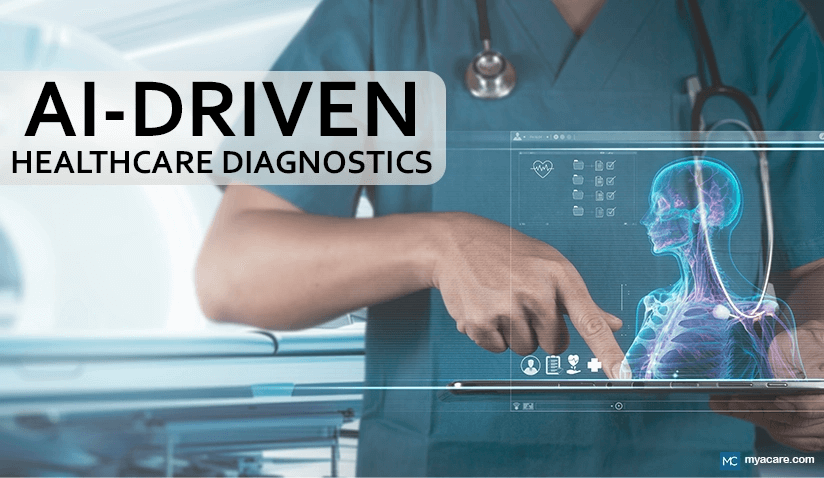
Healthcare is one of the most impactful areas of AI innovation in 2026. AI-powered diagnostics, predictive analytics, and personalized treatment plans are improving patient outcomes while reducing healthcare costs. AI systems can analyze medical images, detect diseases earlier, and recommend precise treatment strategies.
In addition, AI is accelerating drug discovery and medical research, shortening timelines that once took years into months.
Human-AI Collaboration Becomes the New Normal
Rather than replacing humans, AI innovation in 2026 emphasizes human-AI collaboration. AI systems act as intelligent partners, assisting professionals in decision-making, creativity, and problem-solving. From journalists and designers to engineers and doctors, AI tools enhance productivity without removing the human element.
This collaboration model ensures that human judgment, ethics, and creativity remain central, while AI handles complexity and scale.
Ethical and Responsible AI Takes Center Stage
As AI becomes more powerful, ethical AI innovation is a top priority in 2026. Governments and organizations are implementing stricter regulations to ensure fairness, transparency, and accountability in AI systems. Businesses are focusing on reducing bias, protecting data privacy, and maintaining explainable AI models.
Responsible AI is no longer optional—it is a global expectation and competitive advantage.
AI in Smart Cities and Infrastructure
Smart cities powered by AI are rapidly emerging in 2026. AI-driven traffic management, energy optimization, public safety systems, and urban planning are improving quality of life while reducing environmental impact. These intelligent systems help cities become more sustainable, efficient, and responsive to citizens’ needs.
AI innovation is playing a crucial role in shaping future-ready urban ecosystems.
AI and Cybersecurity Evolution
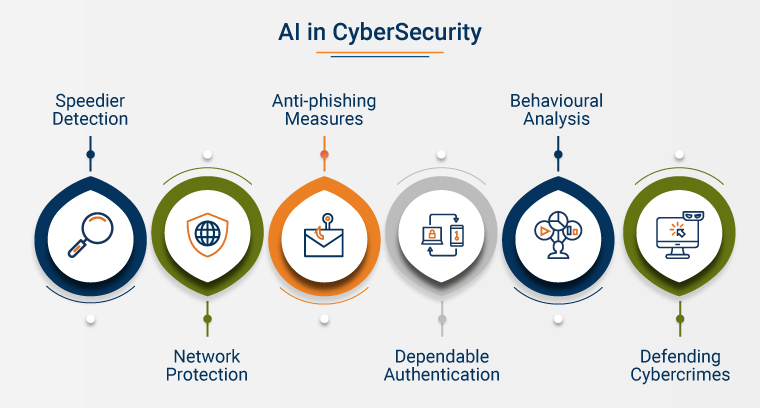
With increasing digital threats, AI-driven cybersecurity has become essential. In 2026, AI systems can detect anomalies, predict cyberattacks, and respond to threats in real time. This proactive approach significantly reduces risks and protects sensitive data across industries.
As cyber threats evolve, AI innovation ensures defenses evolve even faster.
Benefits of AI Innovation in 2026
AI innovation in 2026 is delivering measurable value across industries, economies, and everyday life. As intelligent systems become more advanced and accessible, organizations and individuals are experiencing faster growth, smarter operations, and more meaningful digital interactions. The key benefits include:
🔹 Higher Productivity and Efficiency
AI innovation in 2026 significantly boosts productivity by automating time-consuming tasks and optimizing workflows across departments.
- Automates repetitive and manual processes with high accuracy
- Reduces human error and operational delays
- Enables employees to focus on creative and strategic work
- Improves speed and consistency in large-scale operations
As a result, businesses can achieve more output with fewer resources, accelerating overall performance.
🔹 Smarter Decision-Making
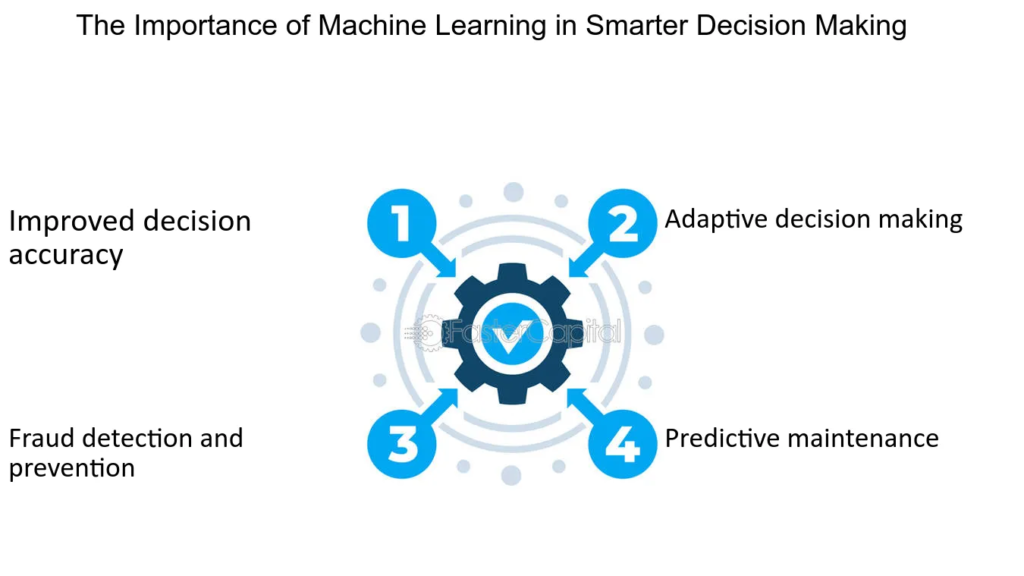
One of the most powerful benefits of AI innovation is its ability to analyze massive datasets and deliver actionable insights in real time.
- Processes complex data faster than human analysis
- Identifies trends, risks, and opportunities early
- Supports predictive and data-driven strategies
- Enhances accuracy in planning and forecasting
This allows leaders to make confident, informed decisions in fast-changing environments.
🔹 Personalized User Experiences
In 2026, AI enables deep personalization across digital platforms, products, and services, creating more engaging user experiences.
- Customizes content based on user behavior and preferences
- Delivers personalized recommendations and interactions
- Improves customer satisfaction and loyalty
- Enhances engagement across websites, apps, and services
Personalization powered by AI helps brands build stronger emotional connections with users.
Challenges Facing AI Innovation
Despite its progress, AI innovation in 2026 still faces challenges. Data security, ethical concerns, workforce adaptation, and regulatory alignment remain critical issues. Societies must balance rapid innovation with responsibility to ensure AI benefits humanity as a whole.
Addressing these challenges will determine how sustainable and inclusive AI-driven growth becomes.
The Future Beyond 2026
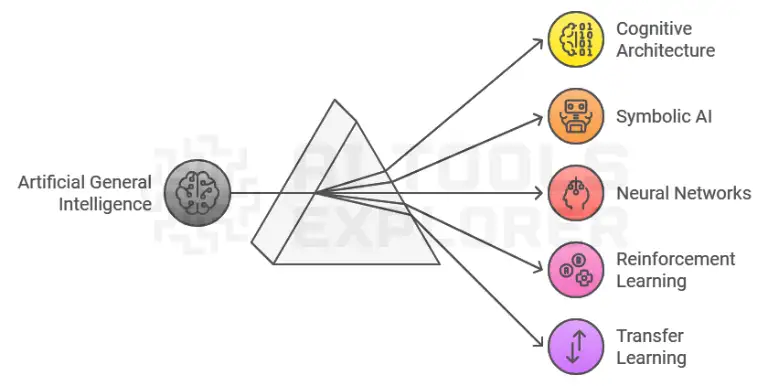
Looking beyond 2026, AI innovation will continue evolving toward general intelligence, emotional understanding, and deeper human integration. AI will become an invisible yet essential layer of everyday life, powering decisions behind the scenes while empowering people at the forefront.
Organizations and individuals who adapt early will be best positioned to thrive in this AI-driven future.
Conclusion: A World Transformed by AI Innovation
AI innovation in 2026 is not just changing technology—it is reshaping the world itself. From healthcare and business to cities and creativity, AI is unlocking possibilities that once seemed impossible. As this transformation accelerates, embracing AI responsibly will be the key to building a smarter, fairer, and more innovative future.
Disclaimer : This content is for informational purposes only. AI technologies and trends may vary by region, industry, and regulatory environment.
FAQs
What are the main benefits of AI innovation in 2026?
The main benefits of AI innovation in 2026 include higher productivity, smarter decision-making, personalized user experiences, reduced operational costs, and faster innovation cycles. These advantages help businesses and governments operate more efficiently while delivering better outcomes for users.
How does AI innovation improve productivity in 2026?
AI-driven decision-making is more effective in 2026 because AI systems can analyze massive datasets instantly, detect patterns, and predict outcomes. This enables organizations to make faster, more accurate, and data-backed decisions in competitive environments.
How does AI enable personalized user experiences?
AI enables personalization by analyzing user behavior, preferences, and interaction history. In 2026, AI delivers tailored content, product recommendations, and services, resulting in higher engagement, satisfaction, and customer loyalty.
Is AI innovation safe to use in 2026?
AI innovation is safe when implemented responsibly. Ethical guidelines, data privacy protections, and transparent AI systems are essential to ensure trust, security, and long-term sustainability.
Which industries benefit the most from AI innovation in 2026?
Industries such as healthcare, finance, retail, manufacturing, education, smart cities, and cybersecurity benefit significantly from AI innovation due to improved efficiency, accuracy, and scalability.
#AIInnovation #AI2026 #FutureOfAI #ArtificialIntelligence #Carrerbook#Anslation#TechTrends #DigitalTransformation #SmartTechnology #AIBenefits #Innovation #Automation #DataDriven #TechFuture