
Artificial Intelligence (AI) is no longer a concept limited to science fiction or research labs. By 2025, AI has become a powerful force shaping how we live, work, learn, and interact with the world. This transformation is often referred to as the AI Revolution—a shift so significant that it is redefining industries, economies, and human behavior.
In this article, we explore what the AI Revolution truly means, why 2025 is a turning point, and how future technologies powered by AI will continue to change our lives in profound ways.
What Is Artificial Intelligence?
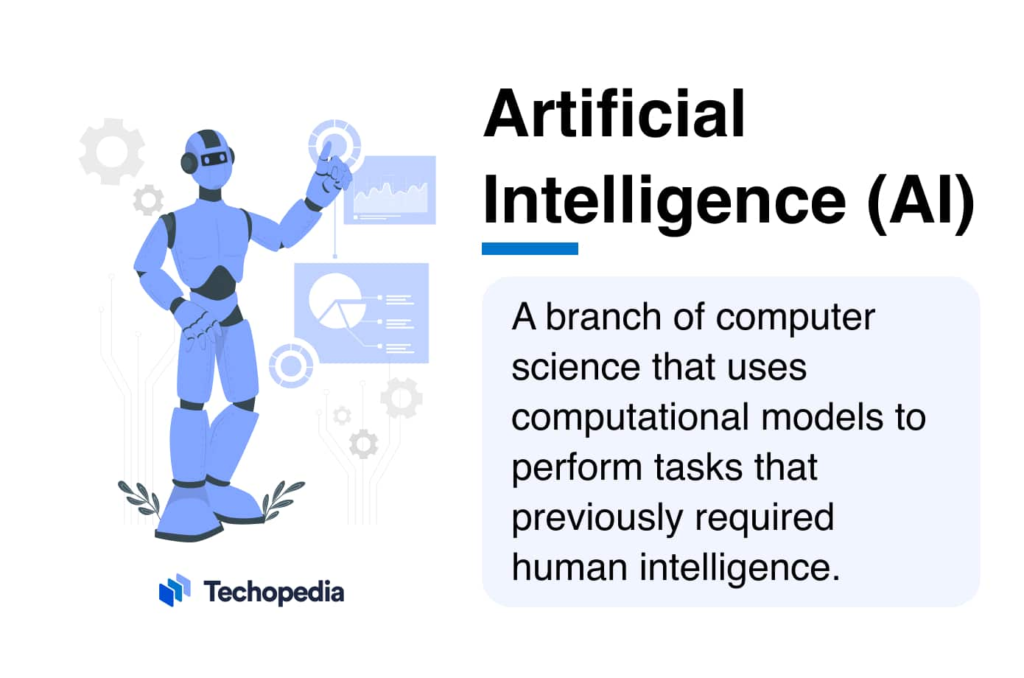
Artificial Intelligence refers to the ability of machines and software systems to simulate human intelligence. This includes learning from data, recognizing patterns, understanding language, making decisions, and improving performance over time without constant human intervention.
Key Technologies Behind AI:
- Machine Learning (ML): Enables systems to learn from data and improve accuracy.
- Deep Learning: Uses neural networks inspired by the human brain to process complex information.
- Natural Language Processing (NLP): Allows machines to understand and respond to human language.
- Computer Vision: Helps machines interpret images and videos.
These technologies work together to make AI systems smarter, faster, and more reliable.
Why 2025 Marks a Major AI Turning Point
The year 2025 represents a major milestone in AI development for several reasons:
- Massive Data Availability: Billions of devices generate data every second.
- Advanced Computing Power: Cloud computing and AI chips have made complex processing affordable.
- Widespread Adoption: AI tools are now used by individuals, businesses, and governments.
- Improved Algorithms: AI models have become more accurate and efficient than ever before.
As a result, AI has moved from being an experimental technology to a core part of everyday life.
How AI Is Transforming Everyday Life
AI operates quietly in the background, making daily tasks easier and more personalized.
Real-World Examples:
- Search engines delivering accurate answers instantly
- Recommendation systems on streaming and shopping platforms
- Smart assistants handling reminders, calls, and schedules
- Navigation apps optimizing routes in real time
The goal of AI in daily life is simple: reduce effort, save time, and improve convenience.
AI in Healthcare: Saving Lives Through Intelligence
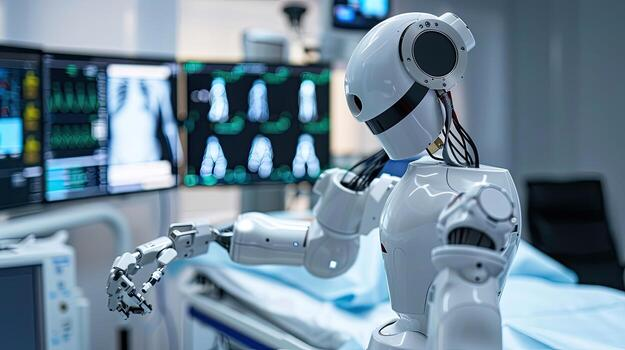
Healthcare is one of the most impactful areas of AI adoption.
How AI Improves Healthcare:
- Early detection of diseases such as cancer and heart conditions
- AI-assisted medical imaging and diagnostics
- Predictive analytics for patient outcomes
- Virtual health assistants for 24/7 support
AI does not replace doctors. Instead, it acts as a high-precision support system, helping medical professionals make faster and more accurate decisions.
The Future of Education Powered by AI
Traditional education models treat all students the same. AI changes this by enabling personalized learning.
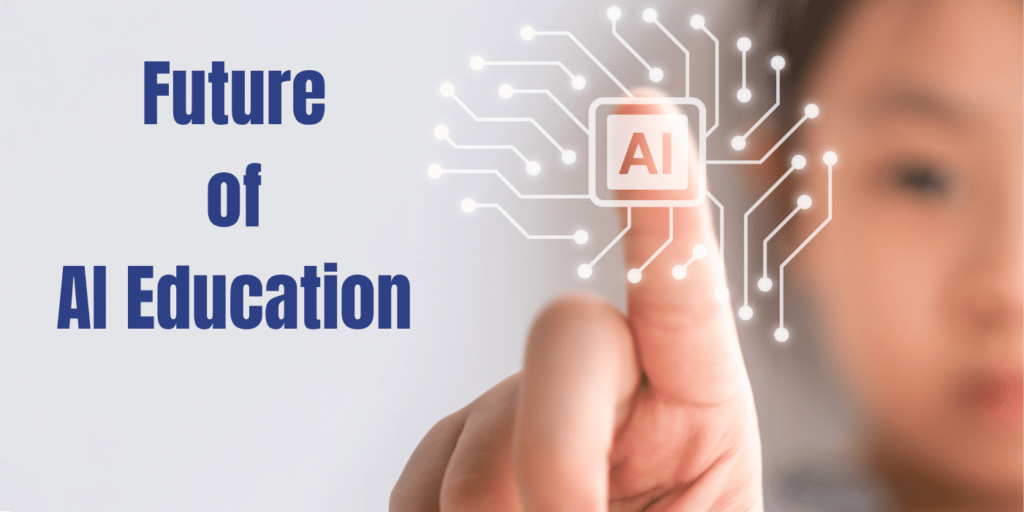
AI in Education Enables:
- Learning tailored to individual strengths and weaknesses
- Instant feedback and performance tracking
- AI tutors available anytime
- Better access for students with disabilities
This shift moves education from memorization to conceptual understanding and skill development.
AI and the Job Market: Threat or Opportunity?
One of the biggest concerns surrounding AI is its impact on jobs.
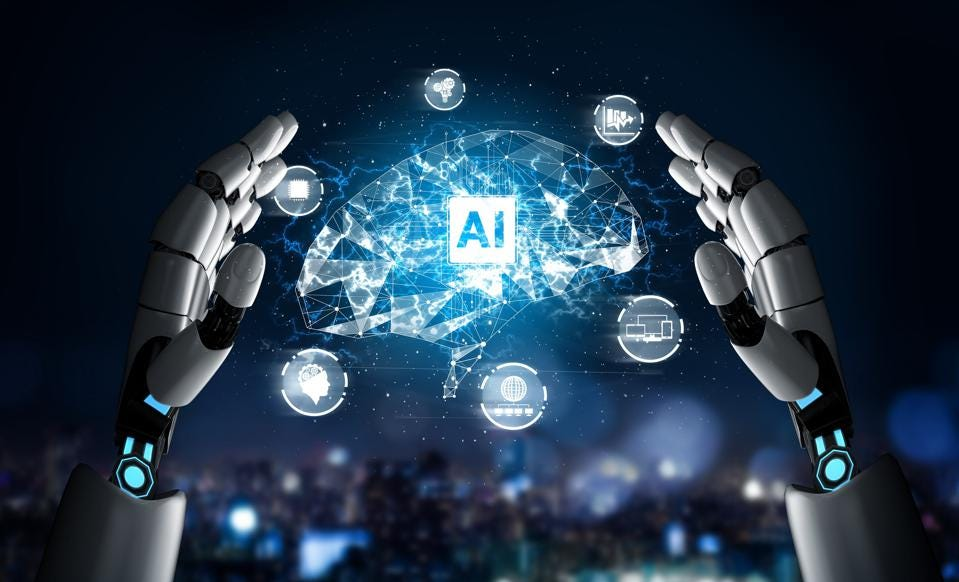
The Reality:
- Repetitive and routine tasks are increasingly automated
- New roles focused on AI, data, and technology are emerging
- Creativity, strategy, and emotional intelligence remain human strengths
Jobs Growing Because of AI:
- AI and Machine Learning Engineers
- Data Analysts and Scientists
- Cybersecurity Specialists
- AI Content and Automation Strategists
AI is not eliminating work—it is reshaping the nature of work.
Smart Cities and AI-Driven Infrastructure
AI is playing a critical role in building smarter and more sustainable cities.
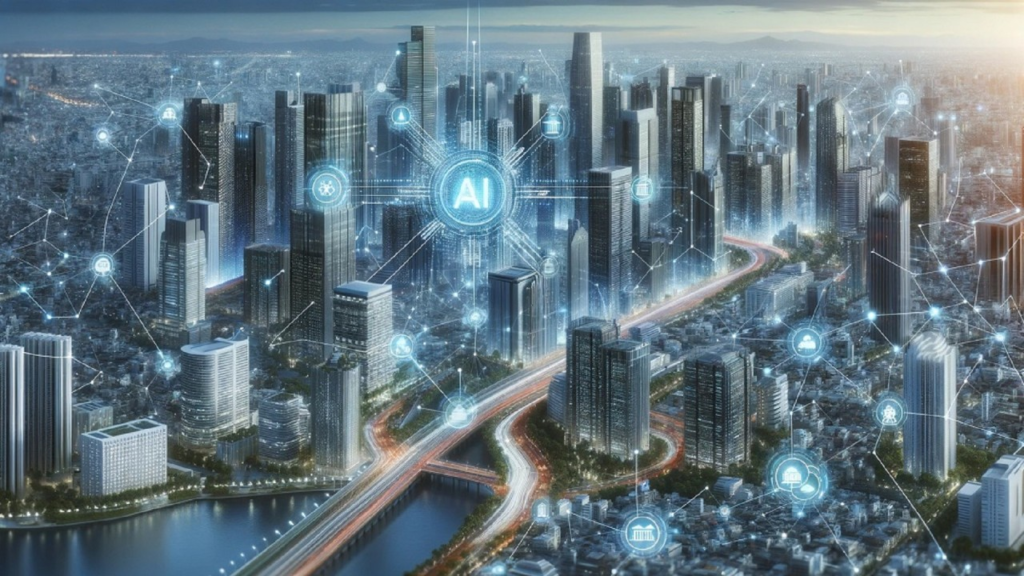
AI-Powered Urban Solutions:
- Intelligent traffic and transportation systems
- Energy-efficient buildings
- Predictive maintenance for infrastructure
- Enhanced public safety and surveillance
These innovations aim to improve quality of life while reducing environmental impact.
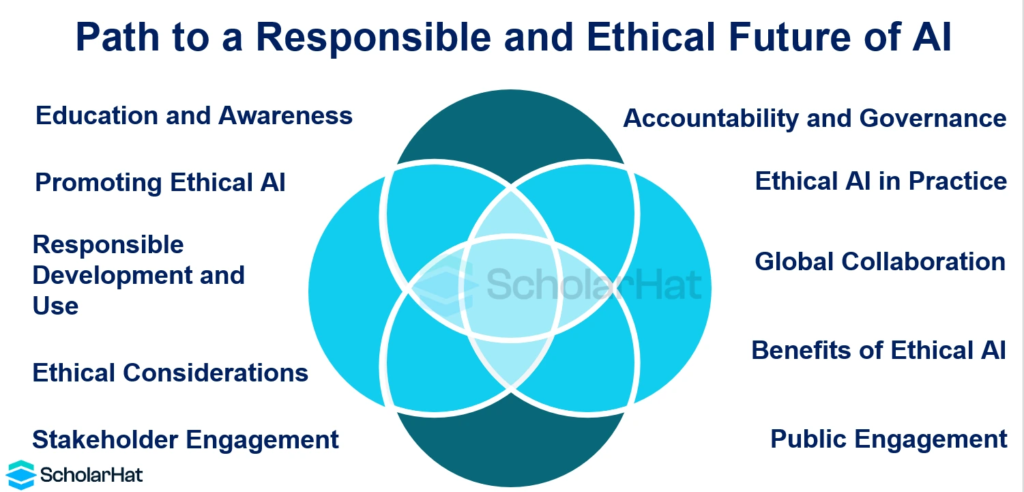
Ethical Concerns and Responsible AI
With great power comes great responsibility. AI raises important ethical questions.
Key Concerns:
- Data privacy and security
- Bias in AI decision-making
- Transparency and accountability
- Over-dependence on automation
To address these issues, governments and organizations are focusing on ethical AI frameworks that ensure fairness, safety, and human oversight.
What Lies Beyond 2025?
Looking ahead, AI is expected to evolve even further:
- Emotion-aware AI systems
- Fully autonomous vehicles
- Human-AI collaboration in creative fields
- Integration of AI with robotics and biotechnology
The future will not be dominated by machines, but shaped by humans working alongside intelligent systems.
Are We Ready for the AI-Driven Future?
The AI Revolution of 2025 is not just a technological upgrade—it is a transformation of how society functions. Those who understand AI, adapt to it, and use it responsibly will thrive in this new era.
AI will not replace humans.
Humans who understand AI will replace those who do not.
#AIRevolution2025 #FutureTechnology #ArtificialIntelligence #FutureTech #AITechnology #AITrends #TechInnovation #DigitalFuture #SmartTechnology #Carrerbook#Anslation#NextGenTech #MachineLearning #Automation #FutureOfWork