
Introduction
A few years ago, technology was just a part of our lives. Today, it is our lifestyle. From waking up with a smart alarm to ending the day by scrolling on social media or tracking sleep on a smartwatch, technology quietly shapes our daily routine.
In 2026, the concept of a digital lifestyle is no longer limited to gadgets or apps. It affects how we work, learn, shop, communicate, and even take care of our health. Whether you are a student, working professional, business owner, or homemaker, technology is influencing your choices more than ever before.
In this blog, we will explore Digital Lifestyle 2026 in a simple and easy way—what it means, its features, benefits, pros and cons, and whether it truly adds value to our lives.
2. What Is Digital Lifestyle 2026: How Technology Is Redefining Daily Life?
A digital lifestyle refers to the way people use technology in their everyday activities. In 2026, this lifestyle is smarter, faster, and more connected than ever.
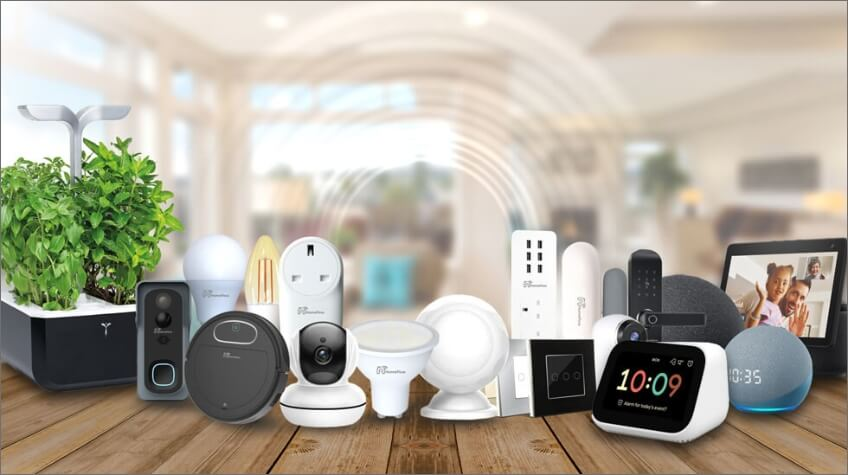
It includes:
- Smart devices like phones, watches, and home assistants
- Online services for shopping, banking, and learning
- Remote work tools and digital communication
- AI-powered apps that understand user behavior
Simply put, Digital Lifestyle 2026 means living in a world where technology helps us save time, improve comfort, and make better decisions in daily life.
Technology is no longer just a tool—it has become a personal assistant, teacher, health guide, and entertainer all in one.
3. Key Features & Specifications
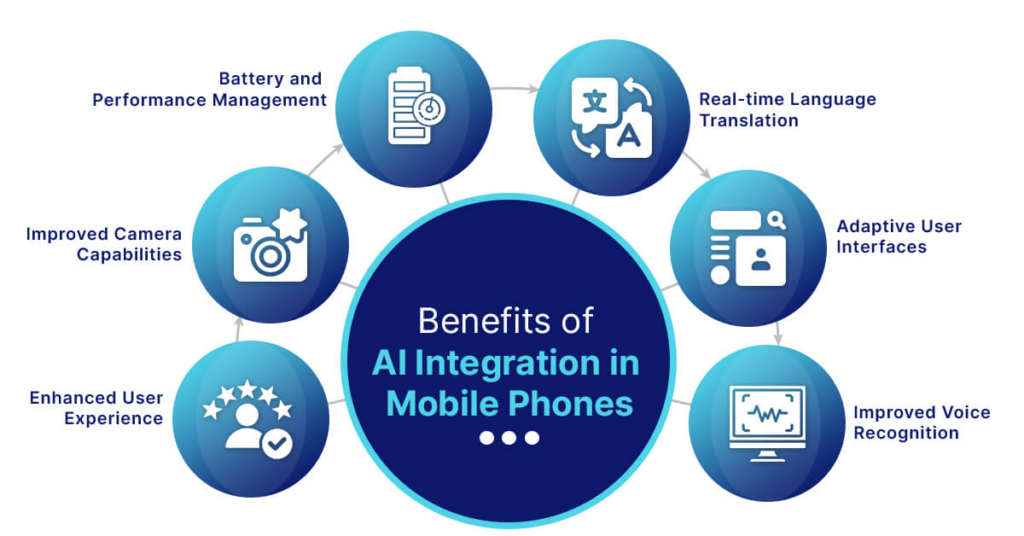
Let’s break down the key features of a digital lifestyle in 2026 with simple examples.
1. Smart Devices Everywhere
- Smartphones with AI features
- Smartwatches for health tracking
- Smart TVs, lights, and home security
Example: Your smartwatch reminds you to walk or drink water.
2. Artificial Intelligence (AI)
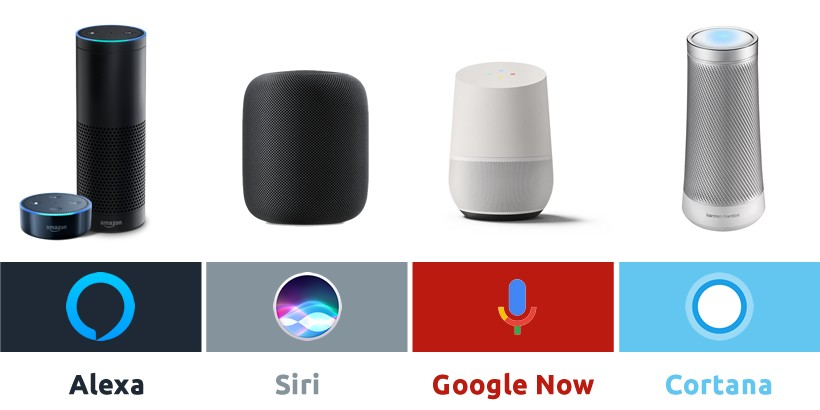
- Personalized recommendations
- Voice assistants like Alexa or Google Assistant
- AI-powered chat support
Example: Netflix suggesting shows based on your viewing history.
3. Digital Payments & Online Banking
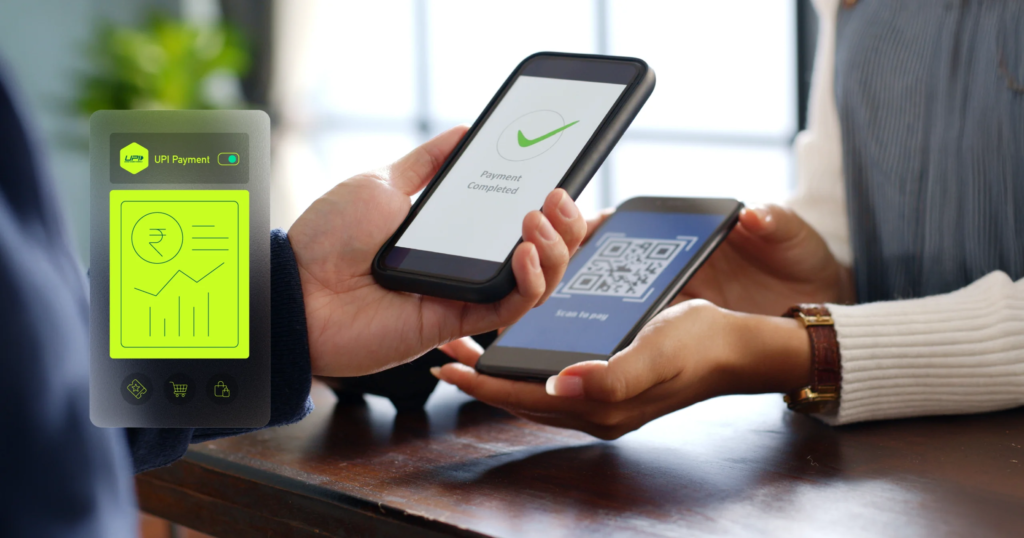
- UPI, mobile wallets, and contactless payments
- Online investment and expense tracking
Example: Paying bills or transferring money within seconds.
4. Remote Work & Online Learning

- Video meetings and cloud collaboration
- Online courses and skill platforms
Example: Working from home using Zoom and Google Drive.
5. Health & Fitness Technology
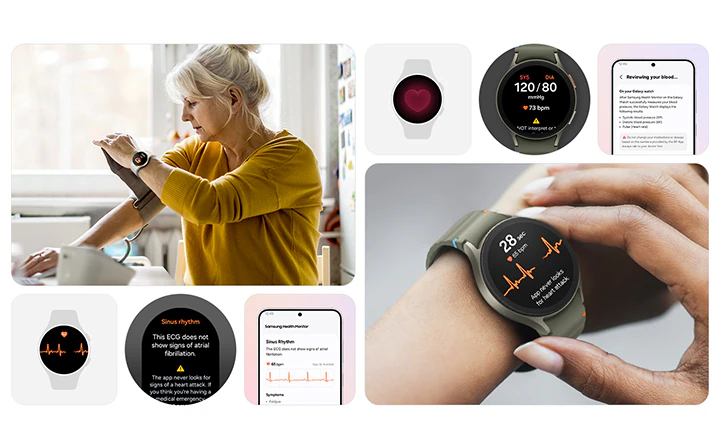
- Fitness apps and smart health trackers
- Online doctor consultations
Example: Booking a doctor appointment through an app.
4. Benefits & Uses
Digital lifestyle technology is useful for almost everyone. Here’s why people are adopting it so quickly.
Who Should Use It?
- Students and learners
- Working professionals
- Business owners and freelancers
- Families and senior citizens
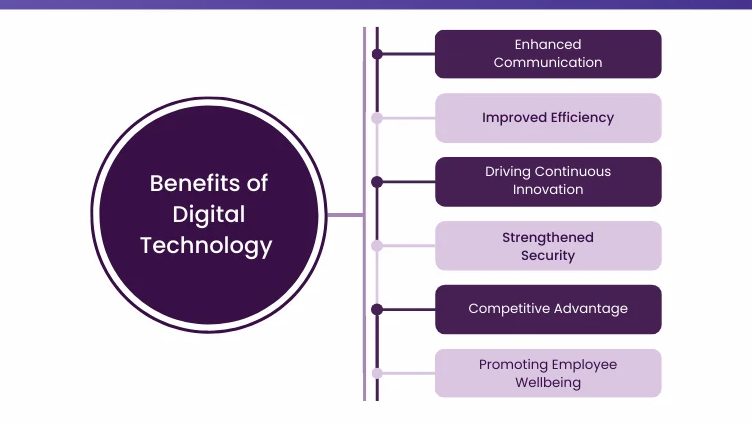
Key Benefits
- Saves time by automating tasks
- Improves productivity at work and study
- Better health tracking and wellness support
- Easy communication across distances
- Access to global information anytime
Why it matters:
Technology helps people focus more on meaningful work and less on repetitive tasks.
5. Pros and Cons
Like everything else, a digital lifestyle has both advantages and disadvantages.
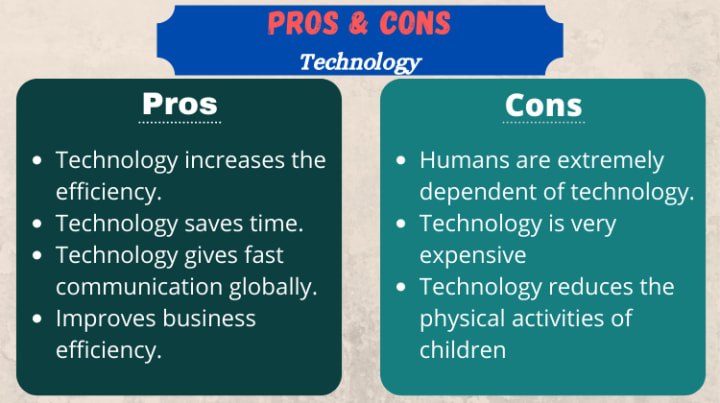
Pros
- Convenience and comfort
- Faster communication
- Better access to information
- Personalized user experience
- Improved work-life balance (when used wisely)
Cons
- Increased screen time
- Privacy and data security concerns
- Over-dependence on technology
- Reduced physical activity
- Digital stress or burnout
The key is balanced usage, not complete dependency.
6. Comparison: Digital Lifestyle vs Traditional Lifestyle
| Digital Lifestyle 2026 | Traditional Lifestyle |
|---|---|
| Smart and automated tasks | Manual and time-consuming tasks |
| Online communication | Face-to-face or phone-based |
| Digital payments | Cash-based transactions |
| Remote work options | Office-only work |
| Instant information access | Limited information sources |
While traditional lifestyle values simplicity, the digital lifestyle offers speed, efficiency, and global connectivity.
7. Latest Launches / Updates
In 2026, several updates are shaping digital life:
- AI-powered smartphones with on-device processing
- Smart homes becoming more affordable
- Wearable health tech with advanced sensors
- 5G expansion for faster internet
- AI tools for content creation and productivity
These updates make technology more user-friendly and accessible for beginners as well.
8. Price & Value for Money
Digital lifestyle products come in different price ranges, from affordable apps to premium smart devices.
Is It Worth the Money?
- Basic apps and tools are often free or low-cost
- Smart devices offer long-term value
- Subscription-based services provide continuous updates
If used properly, digital lifestyle tools save money, time, and effort, making them a good value for most users.
9. Conclusion / Final Verdict
Digital Lifestyle 2026 is not about owning expensive gadgets. It is about using technology smartly to improve daily life.
Technology has made life:
- More connected
- More informed
- More flexible
However, the real power lies in how we use it. A balanced digital lifestyle can improve productivity, health, and happiness without overwhelming us.
For beginners, the best approach is to start small, learn gradually, and grow confidently—just like learning content writing or blogging.
As technology continues to evolve, adapting to a digital lifestyle is no longer an option—it’s a part of modern living.
FAQ ?
1. What does a digital lifestyle mean in 2025?
A digital lifestyle in 2025 means using technology in everyday tasks—like online shopping, digital payments, remote work, online learning, and smart devices at home.
2. How is technology changing daily life today?
Technology makes daily tasks faster and easier. You can order food online, pay bills instantly, attend virtual meetings, track health, and stay connected with family no matter where they live.
3. Which gadgets are most useful for a digital lifestyle?
- Smartphones
- Smartwatches
- Laptops/Tablets
- Smart speakers (Alexa/Google Hom)
You don’t need all of them—start with what fits your lifestyle.
4. How does AI help in home and work life?
AI simplifies life by:
- Providing quick customer support
- It acts like a smart assistant that learns your preferences.
- Giving personalized recommendations
- Helping with voice commands
Automating tasks
5. Is digital learning better than traditional classroom learning?
Both have pros.
Digital learning is flexible, accessible, and offers many course options.
Classroom learning provides face-to-face interaction.
Together, they make learning more effective.
#DigitalLifestyle #DigitalLifestyle2025 #FutureOfTechnology #TechIn2025 #DigitalIndia #SmartLiving #AIRevolution #FutureLifestyle #DigitalTransformation #EverydayTech #TechTrends2025 #SmartTech #ModernLife #Carrerbook#Anslation#DigitalWorld #TechForEveryone #FutureReady #OnlineLiving #LifeWithTech #TechForGood #DigitalFuture
-
Agentic AI Explained: Why This Technology Changes Everything
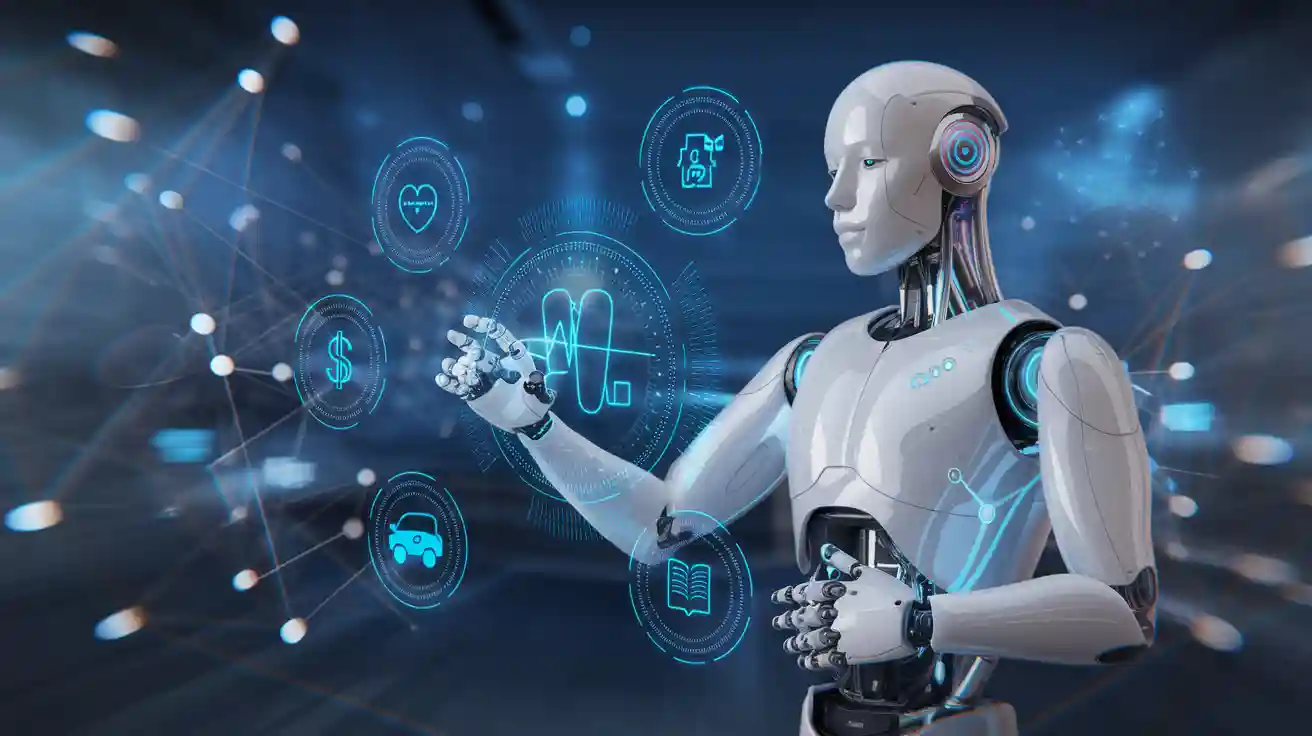
Artificial Intelligence has evolved rapidly over the past decade, but a new breakthrough is redefining its role entirely. Agentic AI […]
-
Agentic AI Breakthrough: The Future of Self-Acting AI Systems
Artificial Intelligence is entering a powerful new phase. While traditional AI systems respond to commands and generative AI creates content, […]
-
AI Innovation in 2026: Trends That Will Change the World
Artificial Intelligence is no longer an emerging concept—it is rapidly becoming the foundation of how the modern world operates. As […]