
Most businesses today are not short on data. They have numbers coming in from sales tools, customer activity, system performance, and support channels. The challenge is no longer collecting information. It’s figuring out what that information is trying to tell them.
This is where AI predictive analytics becomes useful in a very real way.
Instead of spending time only on past reports, teams are starting to look ahead. They want to know which customers may stop engaging, when demand might rise or fall, or whether a system is quietly heading toward failure. Predictive analytics AI helps answer these questions by finding patterns across data that would be nearly impossible to track manually.
What makes this approach even more powerful is the way predictive analytics and AI now work together. Traditional predictive models were based on fixed rules. They worked until something changed. AI brings learning into the mix. As AI and predictive analytics continue to converge, businesses are moving away from a constant reaction mode. Instead of fixing problems after they happen, they’re spotting them earlier and making decisions with more confidence.
Understanding AI and Predictive Analytics in Practice
Artificial intelligence is simply about teaching systems how to learn from data. It doesn’t think like a person, but it’s very good at recognizing patterns, especially in large and messy datasets.
Within an organization, predictive analytics alone may be beneficial, but they are often limited. The majority of predictive models are built upon assumptions that are not easily altered. However, when predictive analytics are combined with AI, the limitations imposed by the predictive analytics are removed and new opportunities arise.
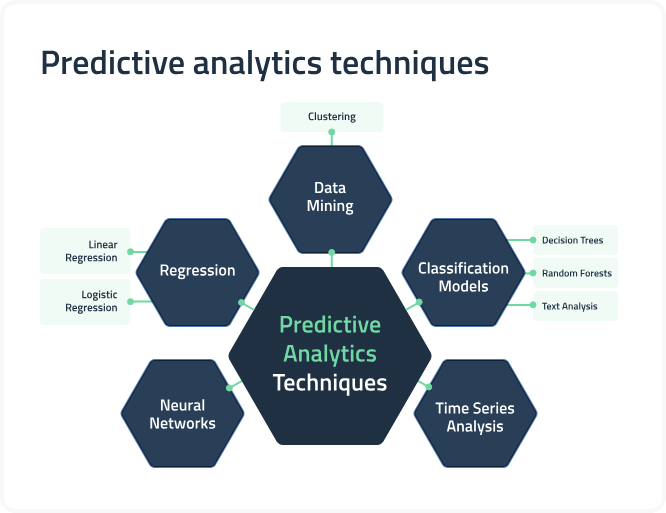
Combining predictive analytics with AI enables organizations to learn from new data and adapt to plan effectively for changes in the environment. AI predictive analytics helps organizations to create a forecast of likely future outcomes based upon the historical data. For example, one organization may develop a forecast for the revenue of the next quarter based upon the historical sales data. When organizations combine AI with predictive analytics, they experience tangible benefits because the predictions become more accurate.
Distinguishing AI vs Predictive Analytics: How It Works
There are a lot of misconceptions about AI and predictive analytics. Predictive analytics is based on what we have in the past. Historical data provides the trends on which to base future projections (i.e., supply chain management, stock levels, etc.). An example of this would be how a retailer uses last year’s sales to determine how much inventory they will need to purchase this year.
Despite working differently from predictive analytics, AI is also used to make predictions based on trends, but unlike the predictive analytics systems, AI systems do not rely on fixed mathematical formulas. The predictive analytics and AI systems are primarily used to create predictive models, whereas an AI system uses an iterative process of learning from past behaviour to produce what will likely happen in the future.
If you want a simple takeaway, AI for preventing outages with predictive analytics gives you a prediction. AI helps that prediction stay useful over time.
How AI Fits into Predictive Analytics
Traditional predictive models are often built with assumptions that don’t change easily. They can work fine in steady conditions, but real business environments rarely stay steady for long.
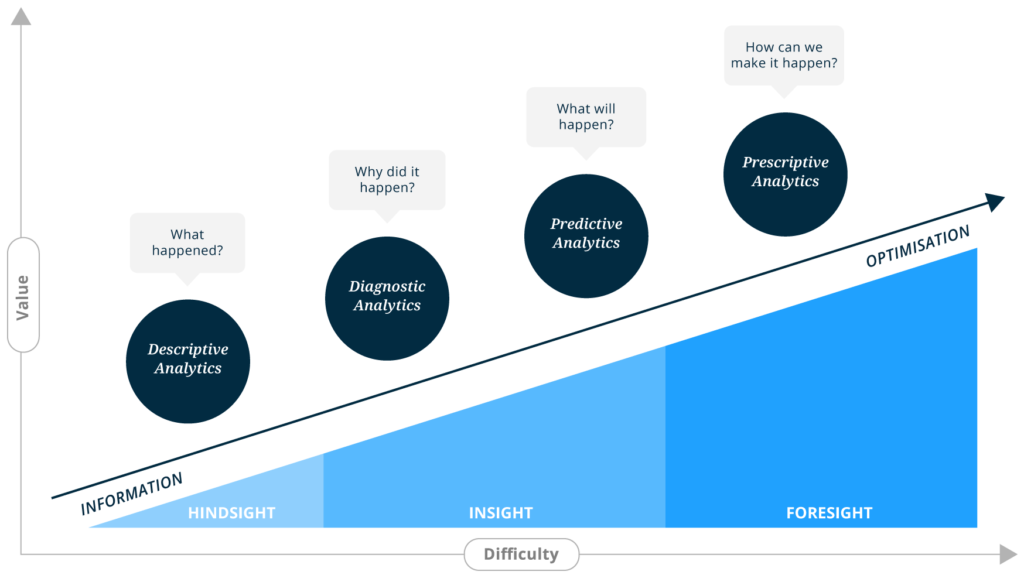
AI for predictive analytics brings flexibility into the picture. Data flows in from different sources like software systems, user activity, connected devices, and system logs. Machine learning models analyze that data and look for patterns that aren’t obvious at first glance. As new data comes in, the system updates its predictions without needing to be rebuilt from scratch.
That’s why AI-powered predictive analytics is especially helpful when customer behavior, market conditions, or system performance keeps shifting.
Why Predictions Become More Accurate with AI
AI tends to notice small changes that humans or traditional models might overlook. A minor shift in usage behavior might not seem important on its own. But if that shift often shows up before a system issue, AI will pick up on it.
This is why many companies rely on AI predictive analytics with predictive analytics. Instead of finding out about a problem after it happens, teams get early signals and can step in before users feel the impact.
Acting While There’s Still Time
Another big advantage of combining AI with predictive analytics is speed. Predictions don’t sit in reports waiting to be reviewed. They update as the data changes.
That means inventory levels can adjust as demand moves. Unusual activity can be flagged right away. System workloads can be shifted before performance drops. This ability to act early is where AI and predictive analytics really earn their place in day-to-day operations.
Industry Applications of Predictive Analytics AI
AI-powered predictive analytics shows up in many industries, often in quiet but important ways. Anywhere timing matters and mistakes are costly, these tools are helping teams stay one step ahead.
Healthcare
Predictive Analytics AI within Healthcare is an example of where predictive analytics will have the most definitive effect in identifying current constraints.
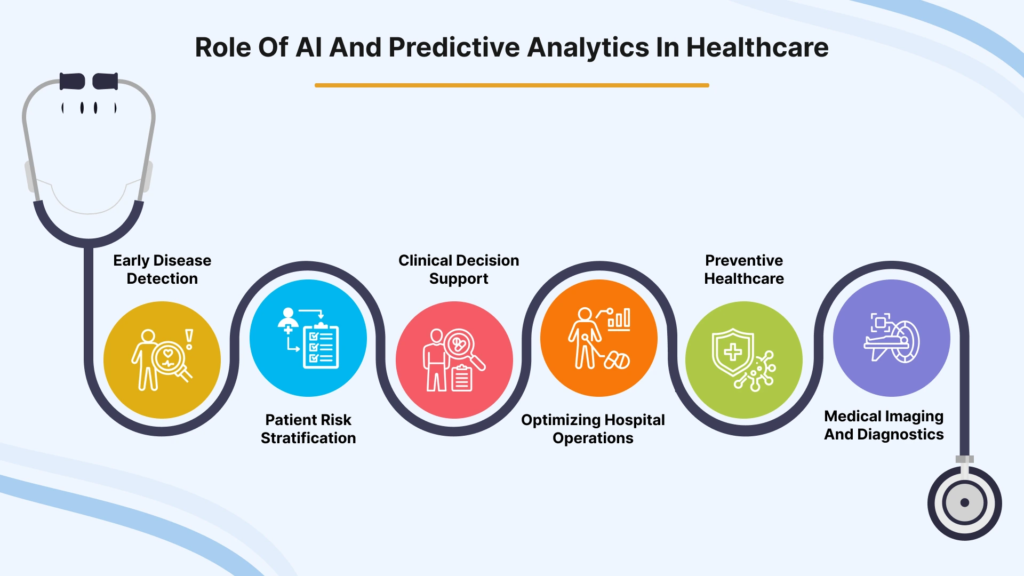
Ultimately, many providers are working with Healthcare App Development Company in USA to develop solutions that provide direct access to predictive analytics tools for those workflows used by doctors. By having the predictions be integrated seamlessly within an organization’s existing workflows, clinicians are more likely to trust and utilize these tools.
Manufacturing and Supply Chain Industry
Unscheduled downtime can have a massive impact on an organization’s entire production schedule. A quick equipment failure, for example, could result in delays and missed timelines across multiple departments or even an entire manufacturing site.
Predictive analytics and AI for unscheduled downtime and help reduce these types of incidents. Machine sensors will detect performance levels, temperature, vibration, and machine utilization. AI models will analyze the data collected through these types of sensors to detect early signs of wear prior to a machine failure occurring.
Predictive analytics will also allow manufacturers to develop a more definitive forecast of inventory and production needs as soon as demand or supply chain situations arise with little or no notice.
Finance and Retail
Banks and financial institutions use predictive analytics AI to detect fraud as it happens. AI predictive analytics monitors transaction behavior and flags activity that doesn’t match normal patterns.
Retailers use predictive insights to better understand customer behavior. This includes estimating demand, planning promotions, and deciding how much stock to keep on hand. These insights help reduce guesswork and control costs.
Enterprise IT and Software
The amount of daily data produced by enterprise systems is staggering. Performance metrics, system logs, and user activity can reveal much about the operations of a business – as well as aspects that need to improve.
When predictive insights are incorporated into custom software development solutions, companies will have the ability to proactively identify potential problems before they become critical and keep their systems running smoothly. Many businesses today have integrated these predictive capabilities directly into their enterprise application development services, making machine learning an integral part of their daily business processes.
Energy & Utilities
For energy companies, AI predictive analytics aid in forecasting demand and scheduling maintenance. Artificial Intelligence can help identify potential failure points on equipment thereby enabling the utility companies to mitigate the effects of outages on their customers by being able to quickly and effectively repair equipment before customer disruption occurs.
Transportation & Logistics
Examples of how logistics organizations use predictive analytics to establish their routes and fuel utilization are numerous. AI-based predictive models take into account such variables as historical delivery patterns, inclement weather, and current traffic to improve the development of logistic agency operational plans.
Education & EdTech
predictive analytics and AI can help education institutions identify students who are struggling or experiencing difficulties. By analyzing engagement levels with internal systems, such as LMS (Learning Management System) and other resources, institutions can leverage artificial intelligence to intervene before small issues develop into larger issues requiring more significant assistance.
Business Value Delivered by Predictive Analytics AI
The underlying motivation for all organisations utilising AI for predictive analytics, rather than simply because it is an impressive technology, is that they want to lessen the amount of surprises in decision-making and provide the best possible answers to questions they may have. The long-term benefits of using predictive analytics will show up in day-to-day decisions, rather than just within dashboards and reports.
This demonstrates how well predictive analytics AI works.
Lower Costs and Smoother Business Operations
One of the first things companies see improve when they implement predictive analytics and AI is their costs. Predictive models can help you identify potential problems before they become expensive issues.
Instead of having teams repair equipment after it breaks down, you can schedule maintenance when the data indicates that maintenance is necessary. This will save you money on repairs, reduce the amount of unproductive time your workers spend due to machine problems, and decrease the amount of unnecessary effort your workers perform. This same approach applies to controlling inventory, managing staff, and organising IT systems.
When businesses utilize predictive analytics AI, they move away from operating on a “just in case” basis and towards proactive, intentional planning. Less guesswork means businesses waste fewer resources.
Clearer Insight into Customers and Markets
Customer behavior changes all the time. Markets do too. Predictive analytics AI helps businesses recognize those changes sooner rather than later.
Retail teams can see which products are likely to gain traction. Subscription-based companies can identify customers who may leave if nothing changes. These insights make planning feel more grounded and less like trial and error.
This is also where AI vs predictive analytics becomes easier to understand in real life. Traditional models often struggle to keep up when behavior shifts. AI adapts, learns from new patterns, and keeps predictions relevant.
Better Customer Experiences That Feel Personal
When customers believe that a business truly understands their needs, they are more likely to stay engaged with the business for an extended period. The use of predictive analytics to provide visibility into customer needs and wants in the upcoming weeks, months and even years will allow the business to proactively address these needs and wants.
By studying the past behaviour of customers, including the types of products and services purchased and the types of support required, predictive analytics and AI helps businesses to develop educated guesses about what their customers are likely to do next.
Through these predictions, businesses can take a proactive approach to ensure that customers are satisfied by contacting customers before they become frustrated and offering them the most effective solution at the best time.
Speedy Decisions Without Second-Guesses
Making decisions based on reliable data will allow organisations to make quick and better quality decisions. The confidence that companies have in their predictive models comes from being able to rely on historical data and statistical probabilities instead of relying on the experience of individuals.
With AI predictive analytics, organisations’ operational teams can see potential future areas of risk, and the organisations’ leadership will be able to plan for potential success and failure instead of simply reacting to either outcome.
This allows teams to respond more quickly when timing is critical.
Conclusion
AI predictive analytics has moved from being a nice idea to a practical business tool. When predictive analytics and AI are used together, companies gain clearer insight into what’s coming next and more time to respond.
Across industries, the value shows up in lower costs, better planning, improved customer experiences, and fewer surprises. The discussion around AI vs predictive analytics matters less now than how effectively businesses use both together.
For organizations looking to move forward, investing in predictive capabilities is no longer about staying ahead of trends. It’s about staying competitive.
#AIPredictiveAnalytics #ArtificialIntelligence #BusinessAnalytics #DataDrivenBusiness #PredictiveIntelligence #MachineLearning #Carrerbook#Anslation#BigDataAnalytics #DigitalTransformation #BusinessGrowth #SmartDecisionMaking #FutureOfAI #EnterpriseAI #AIinBusiness #AdvancedAnalytics #CompetitiveAdvantage