
Not long ago, people bought albums and saved songs on their devices. They managed folders and playlists by hand. That habit has mostly disappeared. Today, users open an app and press play. The music streams instantly from the cloud. Recommendation systems learn what users like and suggest tracks that fit their taste and mood.
Platforms like Spotify, Apple Music, SoundCloud, and YouTube Music show how large the opportunity is. Each one grew by focusing on a specific user need. Spotify made discovery simple and personal. Apple Music built around its device ecosystem. SoundCloud gave independent artists a voice. YouTube Music grew from how people already used video to find songs.
This is why both startups and established companies still invest in music streaming. Success does not come from copying the biggest players.
It comes from choosing a clear direction and executing it well. Working with an experienced entertainment app development company or a custom mobile app development company helps businesses define that direction early and avoid costly changes later.
Types of Music Streaming Apps You Can Build
Many businesses think all music streaming apps follow the same model. That assumption often leads to poor planning. Different app types serve different goals, and the choice affects features, licensing, and overall music streaming app development cost.
On-Demand Music Streaming Apps
This is the most familiar model for users. They search for tracks, play songs instantly, skip freely, create playlists, and download music for offline listening. The listener stays in control at all times.
These apps require a strong backend, stable streaming performance, and well-designed recommendation systems. User experience matters greatly. Search, discovery, and playback must feel fast and intuitive. For businesses exploring how to develop a music streaming app in this category, you will find that the level of complexity is significantly higher than for other types of applications.
Internet Radio Apps
These apps provide users with a much simpler experience by allowing them to listen continuously (via streaming) to music they select (by genre, mood, or theme) from a channel within the app. Listening to an Internet radio app resembles traditional radio, but is delivered through both mobile devices and web browsers.
The Internet Radio model is also well received by brands, broadcasters, and regional music producers. Licensing for Internet Radio apps is generally much easier than for music streaming apps, and will remain at a relatively low cost compared to other models, which is often a factor in a company’s decision to choose to develop an Internet Radio application to quickly enter the market or determine if there is consumer interest in the product.
Artist-Focused and Independent Music Platforms
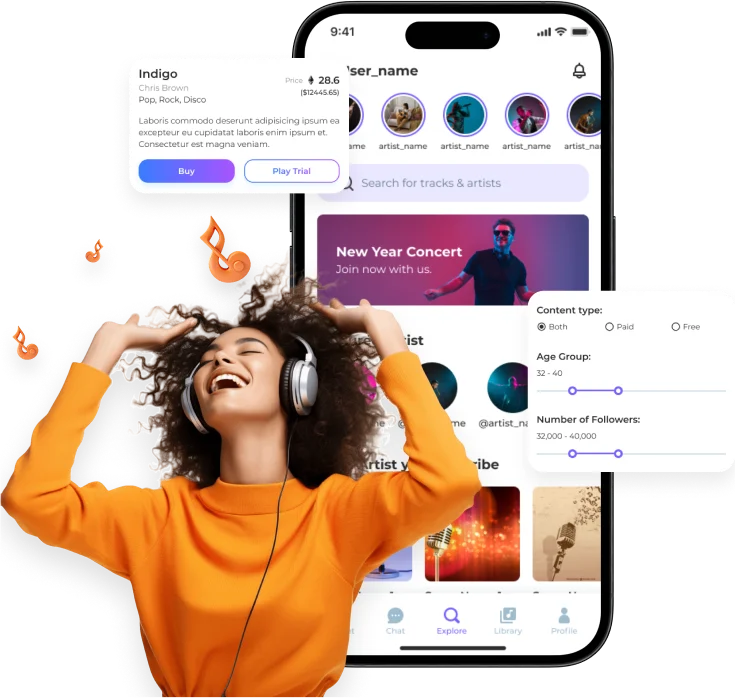
Many independent artists have difficulty getting noticed on the larger music sites. Artist-focused platforms create a dedicated space for independent artists to release their music, engage with fans, and earn revenue.
Artist Platforms combine streaming, merchandise sales, fan access to events, and exclusive music releases. The primary value of these platforms is through the level of fan engagement rather than the quantity of users.
From a development perspective, these apps need solid tools for artists, transparent performance data, and fair payout systems. The goal is not to compete with major platforms, but to support a specific creator community effectively.
Podcast and Music Hybrid Apps
Music apps no longer focus on songs alone. Many now combine music with podcasts, audiobooks, or live audio sessions. Users prefer having different audio content in one place.
Hybrid apps encourage longer usage and open up multiple monetization options. They also require careful planning. The app must organize content clearly and keep playback simple across formats.
For enterprise teams, this model works best when they already own content or have strong partnerships. When built well, it turns the product into a complete audio destination rather than just another streaming app.
Must-Have Features of a Music Streaming App That Users Truly Care About
After working closely with music streaming app developers across different projects, one thing becomes clear. The apps that perform well focus on daily listening habits. People open a music app with one goal in mind. They want to find something quickly and start listening without thinking too much about how the app works.
Simple User Registration and Social Login
Signing up should feel quick and painless. Email still has its place, but most users now expect login options through Google, Apple, or social accounts. Fewer steps lead to better onboarding. For large platforms, this also helps with user data and future personalization without creating friction at the start.
Music Search That Feels Natural
Search is one of the most used features in any music app. Users do not only search by artist or song name. They type moods, activities, genres, or casual terms like chill or focus. A good search system adapts over time and learns from behavior. This is where an experienced music streaming app development company makes a real difference by building search that improves as usage grows.
Playlists and Favorites
Users’ interaction with music apps is impacted by the playlists that they create. Playlist creation is simple and quick; however, a little lag when creating/editing/sharing can lead to user frustration and less user interaction.
Offline Downloads
Offline capability has now become mandatory for a vast number of users who want access to their music while on the go. Many people spend time in transit, in-flight, or in areas where the Internet connection is poor, therefore being able to access and play their saved music is essential. Creating a method to provide an on-demand music environment that does allow for offline download capability determines whether the application will be used for purposes of serious use or casual use.
Lyrics Value-Add
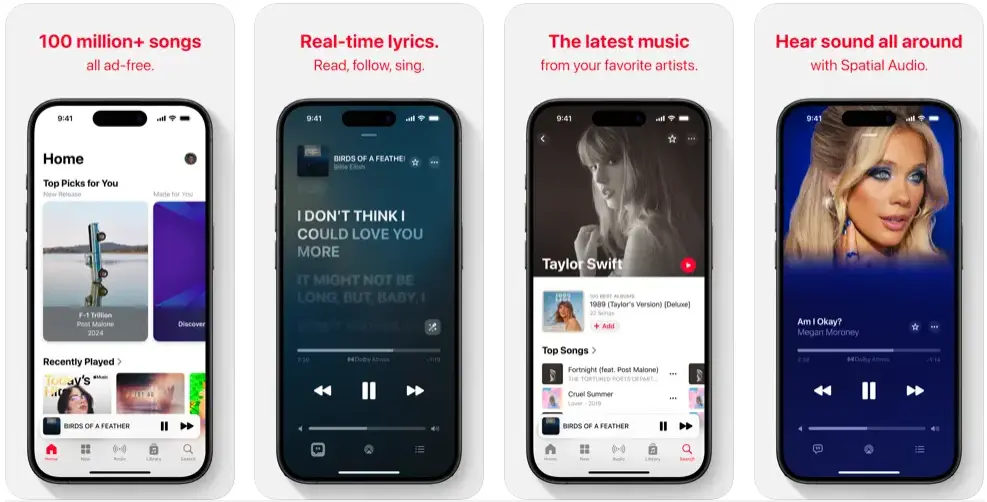
Many users no longer look at lyrics as “added value” to a music app; they expect to see it in real time. Users who can see lyrics while playing their music will remain connected with the music longer, enhance their engagement level and promote repeated listening of the same songs.
High-Quality Audio Streaming
Sound quality matters more than teams often expect. Users might not discuss technical details, but they notice when audio feels inconsistent. Offering different quality options lets users balance data usage with sound preference and keeps playback reliable across networks.
Artist and Album Management
Platforms that work with artists need clear and simple tools. Managing profiles, albums, and payouts should feel transparent. When artists trust the system, they stay active and continue contributing content.
User Analytics and Engagement Insights
Data helps teams make better decisions. Admins should easily see what users play, skip, repeat, or abandon. These insights guide product updates, marketing campaigns, and content deals. Without clear data, growth becomes guesswork.
Revenue and Subscription Controls
Every music app needs a reliable way to manage revenue. Subscriptions, ads, free trials, and regional pricing all depend on accurate tracking. Clean backend controls allow teams to test pricing models and adjust strategies without disrupting users.
NFT and Web3-Based Music Options
While Web3 features are not yet clear, there are many artists using, enjoying, and finding value in the concept of ownership and direct fan engagement. New avenues for revenue have opened through limited edition releases, digital collectible items, and special access passes. The key to the success of these new avenues will be using them to support real-world goals rather than being forced into the product.
AI-Powered Home Screens
The traditional static home screen has become outdated; however, the creation of intelligent layouts that automatically adjust the content displayed on the home screen according to how users use the app will enable it to remain fresh and relevant without feeling overwhelming. For example, early morning playlists can be pushed out to users at 7:00 am, focus-style playlists during work hours, and new music releases based on the user’s activity from the previous day.
Real-Time Syncing of Lyrics
The introduction of synchronized lyrics to music increases user engagement and will help people connect to songs they love even more closely than before. The real-time synchronization of the lyrics to music provides the opportunity for the user to continue listening to that song longer than if they weren’t presented with the lyrics in real-time.
Conclusion
Music streaming remains one of the most dynamic areas in digital entertainment. Despite intense competition, opportunities still exist for platforms that serve specific audiences, empower creators, or enhance broader digital products.
For startups, music streaming works best when the focus is narrow. Regional music, independent artists, wellness content, or community-driven platforms offer clearer paths to traction.
#MusicStreamingApp #AppDevelopment #TechGuide #MobileAppDevelopment #MusicApp #SpotifyClone #AppDevelopment2026 #TechInnovation #Carrerbook#Anslation#DigitalMusic #StartupGuide #AppDesign #SoftwareDevelopment #MusicTech #UXUI #AppFeatures